How CRM Improves Customer Experience in Insurance
In the fast-paced world of insurance, where customer loyalty is paramount and competition fierce, providing exceptional customer experience is no longer a luxury—it’s a necessity. Policyholders expect personalized interactions, quick resolutions to their queries, and a seamless experience across all touchpoints. Achieving this level of service requires more than just friendly agents; it demands a robust and intelligent system that can manage customer data effectively and empower insurance companies to deliver truly customer-centric service. That’s where Customer Relationship Management (CRM) systems come into play.
A CRM system isn’t just a database for storing customer information; it’s a strategic tool that can transform the way insurance companies interact with their clients. By centralizing customer data, automating key processes, and providing valuable insights, CRM enables insurers to understand their customers better, anticipate their needs, and deliver personalized experiences that foster loyalty and drive growth. Think of it as the central nervous system of your customer interactions, ensuring every department is on the same page and working towards a common goal: delighting the customer.
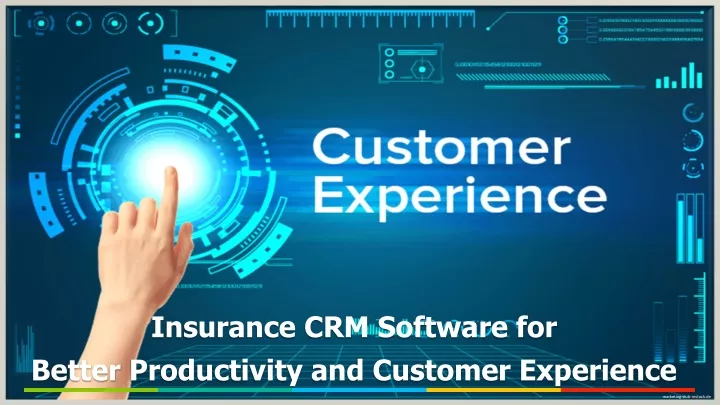
This article delves into the crucial role CRM plays in enhancing the customer experience within the insurance industry. We’ll explore how CRM systems address the specific challenges faced by insurers, examine the practical benefits of implementation, and provide insights into choosing the right CRM solution for your organization. From streamlining policy administration to improving claims processing and personalizing marketing efforts, we’ll uncover how CRM can help insurance companies build stronger relationships with their customers and gain a competitive edge in today’s dynamic market. Let’s explore the power of CRM to revolutionize the insurance customer experience.
Understanding the Unique Challenges of Customer Experience in Insurance
The insurance industry presents unique challenges when it comes to delivering a positive customer experience. Unlike many other sectors where interactions are frequent and often transactional, insurance interactions can be infrequent but highly impactful, especially during claims. Several factors contribute to these challenges:
Complexity of Products and Processes
Insurance policies are often complex and difficult for customers to understand. The jargon, coverage details, and legal language can be overwhelming, leading to frustration and confusion. Furthermore, processes like policy application, claims filing, and renewals can be lengthy and involve multiple steps, adding to the customer’s burden.
Infrequent but High-Stakes Interactions
Customers typically interact with their insurance company only a few times a year, primarily for payments, renewals, or, most critically, when filing a claim. These interactions are often emotionally charged, particularly during a claim, when the customer may be dealing with a stressful or traumatic event. A negative experience during these crucial moments can significantly damage customer loyalty and lead to churn.
Regulatory Compliance and Data Security
The insurance industry is heavily regulated, requiring strict adherence to compliance standards and data privacy regulations. This adds complexity to customer interactions, as insurers must ensure they are collecting and using customer data in a compliant and secure manner. Data breaches or privacy violations can have severe consequences, both financially and reputationally.
Siloed Departments and Lack of Coordination
Many insurance companies operate with siloed departments, such as sales, underwriting, and claims, which often lack effective communication and coordination. This can result in inconsistent customer service, delays in processing requests, and a fragmented customer experience. Customers may have to repeat information to multiple agents or departments, leading to frustration and dissatisfaction.
How CRM Addresses These Challenges and Improves Customer Experience
A well-implemented CRM system can effectively address the challenges outlined above and significantly improve the customer experience in insurance. Here’s how:
Centralized Customer Data and a 360-Degree View
CRM centralizes all customer data from various sources, including policy information, claims history, communication logs, and marketing interactions. This provides a 360-degree view of each customer, allowing agents to quickly access relevant information and understand the customer’s needs and history. This eliminates the need for customers to repeat information and enables agents to provide personalized and informed service.
Streamlined Policy Administration and Automated Processes
CRM can automate many of the manual and time-consuming processes involved in policy administration, such as policy application, renewal, and endorsement. Automated workflows can guide agents through the necessary steps, ensuring consistency and accuracy. This frees up agents to focus on providing personalized service and building relationships with customers.
Improved Claims Processing and Faster Resolutions
CRM can streamline the claims process by automating tasks such as claim intake, document management, and communication with adjusters and repair shops. By providing a centralized platform for managing claims, CRM can help insurers resolve claims faster and more efficiently, improving customer satisfaction and reducing costs. Customers can track the status of their claims online, providing transparency and reducing anxiety.
Personalized Communication and Targeted Marketing
CRM enables insurers to personalize their communication with customers based on their individual needs and preferences. By segmenting customers based on demographics, policy types, and past interactions, insurers can deliver targeted marketing messages and offers that are relevant and engaging. Personalized emails, newsletters, and social media campaigns can help build stronger relationships with customers and drive sales.
Enhanced Agent Productivity and Empowerment
CRM empowers agents with the tools and information they need to provide exceptional customer service. By providing access to customer data, automated workflows, and knowledge bases, CRM can help agents resolve issues faster and more effectively. This improves agent productivity and reduces the need for escalations, leading to a more positive customer experience.
Proactive Customer Service and Early Problem Detection
CRM can help insurers proactively identify and address potential problems before they escalate. By monitoring customer interactions and analyzing feedback, insurers can identify at-risk customers and take steps to prevent churn. Proactive outreach, such as personalized emails or phone calls, can demonstrate that the insurer values the customer and is committed to providing excellent service.
Key Features of a CRM for Insurance
When choosing a CRM system for your insurance company, it’s important to consider the specific features that are most relevant to your needs. Some key features to look for include:
- Policy Management: Ability to manage policy details, renewals, and endorsements.
- Claims Management: Streamlined process for handling claims, from intake to resolution.
- Lead Management: Tools for capturing and nurturing leads, tracking sales opportunities, and managing the sales pipeline.
- Contact Management: Centralized database for storing and managing customer information.
- Workflow Automation: Ability to automate repetitive tasks and processes, such as policy renewals and claims processing.
- Reporting and Analytics: Dashboards and reports that provide insights into customer behavior, sales performance, and operational efficiency.
- Integration with Other Systems: Seamless integration with other systems, such as accounting software, policy administration systems, and marketing automation platforms.
- Mobile Access: Mobile app that allows agents to access customer data and manage tasks from anywhere.
- Compliance Features: Features that help ensure compliance with industry regulations and data privacy laws.
Choosing the Right CRM for Your Insurance Company
Selecting the right CRM system is a critical decision that can significantly impact your company’s success. Here are some key considerations when choosing a CRM:. Effective customer management through Crm Helps Insurance build stronger client relationships
Define Your Business Needs and Objectives
Before you start evaluating CRM systems, take the time to clearly define your business needs and objectives. What are the specific challenges you are trying to address? What are your goals for improving customer experience? What features are most important to your organization? Having a clear understanding of your needs will help you narrow down your options and choose a CRM that is the best fit for your company.
Evaluate Different CRM Solutions
There are many different CRM solutions available, each with its own strengths and weaknesses. Research different options and compare their features, pricing, and ease of use. Consider both cloud-based and on-premise solutions, and choose the option that best meets your needs and budget. Look for CRM systems specifically designed for the insurance industry, as they will typically offer features and functionality that are tailored to your specific requirements.
Consider Scalability and Flexibility
Choose a CRM system that can scale with your business as it grows. The system should be able to handle increasing volumes of data and users without compromising performance. It should also be flexible enough to adapt to changing business needs and integrate with other systems as required.
Read Reviews and Get Recommendations
Read reviews from other insurance companies that have used the CRM systems you are considering. Get recommendations from industry peers and consultants. This can provide valuable insights into the real-world performance of different CRM solutions.
Request a Demo and Trial Period
Before making a final decision, request a demo of the CRM system and ask for a trial period. This will allow you to test the system’s features and functionality and ensure that it meets your needs. Involve your key stakeholders in the trial process to get their feedback and ensure that the system is user-friendly and effective. For consumers seeking optimal convenience, Best All One solutions are often the preferred choice
Consider Training and Support
Ensure that the CRM vendor provides adequate training and support to help your employees learn how to use the system effectively. Look for vendors that offer ongoing support and maintenance to ensure that your CRM system remains up-to-date and performs optimally.
The Future of CRM in Insurance: AI and Personalization
The future of CRM in insurance is inextricably linked to advancements in artificial intelligence (AI) and hyper-personalization. We’re already seeing the emergence of AI-powered chatbots that can handle routine customer inquiries, freeing up agents to focus on more complex issues. AI algorithms can also analyze vast amounts of customer data to identify patterns and predict future needs, enabling insurers to proactively offer personalized products and services. Imagine a CRM system that automatically adjusts policy recommendations based on a customer’s changing life circumstances, or that flags potential fraud based on unusual claims patterns. This level of personalization and proactive service will be crucial for building lasting customer relationships in the years to come.
Conclusion
In conclusion, CRM is a powerful tool that can significantly improve the customer experience in the insurance industry. By centralizing customer data, automating processes, and providing valuable insights, CRM enables insurers to deliver personalized service, resolve issues faster, and build stronger relationships with their customers. Choosing the right CRM system and implementing it effectively is crucial for achieving these benefits. By carefully considering your business needs, evaluating different solutions, and providing adequate training and support, you can leverage CRM to transform your customer experience and gain a competitive edge in today’s dynamic market. Embrace CRM and unlock the potential to create truly customer-centric insurance experiences.
Frequently Asked Questions (FAQ) about How CRM Improves Customer Experience in Insurance
How can implementing a CRM system help insurance companies personalize customer interactions and provide a more tailored experience?
A CRM (Customer Relationship Management) system allows insurance companies to gather and centralize vast amounts of customer data, including policy details, claims history, communication logs, and even demographic information. This comprehensive view enables agents and brokers to understand each customer’s unique needs and preferences. With this knowledge, they can proactively offer relevant policy recommendations, anticipate potential issues, and tailor their communication style to individual preferences. For instance, an agent can use the CRM to identify customers nearing retirement and proactively offer information about retirement-focused insurance products. Personalization leads to increased customer satisfaction, loyalty, and ultimately, higher retention rates. By focusing on customer-centric interactions, insurance companies can differentiate themselves in a competitive market.
What are the key benefits of using a CRM to streamline claims processing and improve customer satisfaction during the claims experience in the insurance industry?
CRM systems significantly streamline claims processing by providing a central platform for managing all claim-related information. This includes policy details, incident reports, communication logs, and settlement documents. Automation features within the CRM can trigger automated notifications to customers at each stage of the claims process, keeping them informed and reducing anxiety. Agents can quickly access all relevant information, reducing the need for customers to repeatedly provide the same details. Furthermore, CRM data can be used to identify potential bottlenecks in the claims process and optimize workflows. This faster, more transparent, and more efficient claims handling process leads to improved customer satisfaction and builds trust in the insurance provider. A positive claims experience is crucial for customer retention and positive word-of-mouth referrals.
How does a CRM system facilitate better communication and collaboration between different departments within an insurance company, ultimately enhancing the customer experience?
A CRM system acts as a central hub for all customer-related information, enabling seamless communication and collaboration between different departments within an insurance company, such as sales, underwriting, and customer service. When all departments have access to the same, up-to-date customer data, they can provide a consistent and coordinated experience. For example, if a customer calls customer service with a question about their policy, the agent can quickly access their sales history and underwriting notes to provide a more informed and helpful response. This eliminates the need for customers to repeat their information to multiple representatives and reduces the likelihood of errors or inconsistencies. By fostering better internal communication, a CRM enables insurance companies to deliver a more seamless and efficient customer experience, leading to greater satisfaction and loyalty. This integrated approach helps build stronger customer relationships and improves overall operational efficiency. Choosing the right software can be daunting, so comparing Top Erp Solutions is essential for informed decision-making